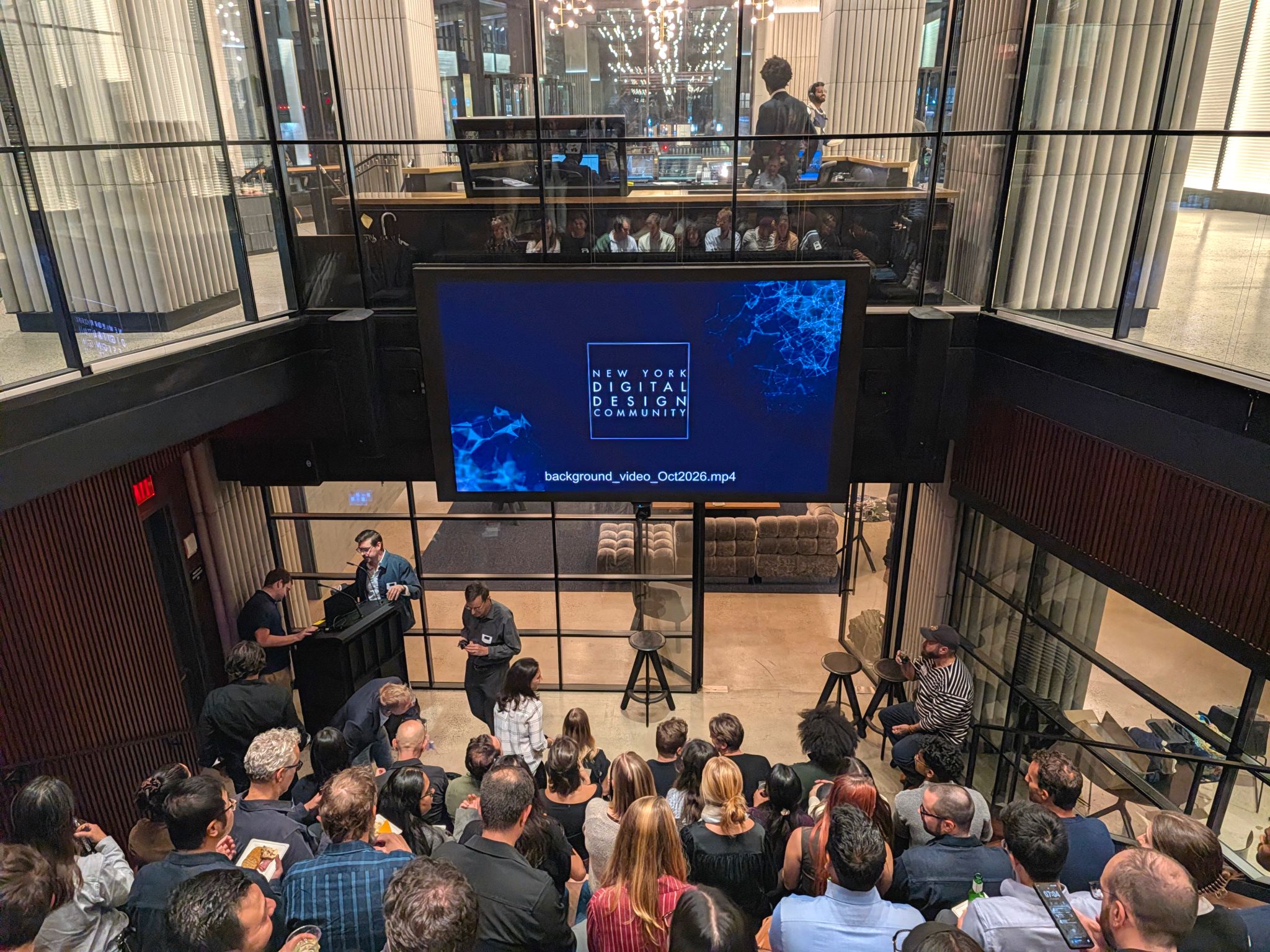
The real impact of new technology in architecture, engineering, and construction comes from how it changes the process. The question is how teams move from information and ideas to something they can design, test, and build.
Digital Design Community's Autumn Event at Perkins&Will in New York brought together different perspectives on that question, from early research and concept exploration to the engineering that makes ambitious ideas possible.
From research to design and engineering
CASE's AI research explored how data and environments work together. Büro Ehring discussed the engineering behind iconic structures, including the Oculus in New York. Both offered a closer look at the workflows behind today's digital design practices.
Tools like xFigura bring another dimension to that process, accelerating architectural visualization and opening up more room for ideation and concept exploration. When teams can visualize alternatives faster, they have more opportunity to develop an idea and understand what deserves further investigation.
Across these different areas of practice, the presentations showed why the steps between an initial idea and a buildable proposal matter. Each discipline brings its own questions, methods, and constraints to that work.
Decide how results will be evaluated
The tools are advancing quickly. AI can help interpret complex data and visualize entire scenes in remarkable detail. Teams need to be equally thoughtful about how they work with those capabilities: what to explore, how to evaluate the results, and when to apply their own judgment.
A useful workflow makes those decisions explicit. It gives people a clear question to investigate and a way to assess whether the result helps answer it. It also leaves room to revise an approach when an output reveals something the team needs to understand better.
That attention to process is what turns a capable tool into a better way of working. Digital Design Community, Perkins&Will, CASE, Büro Ehring, and xFigura brought together a useful range of perspectives on what that can look like in practice.