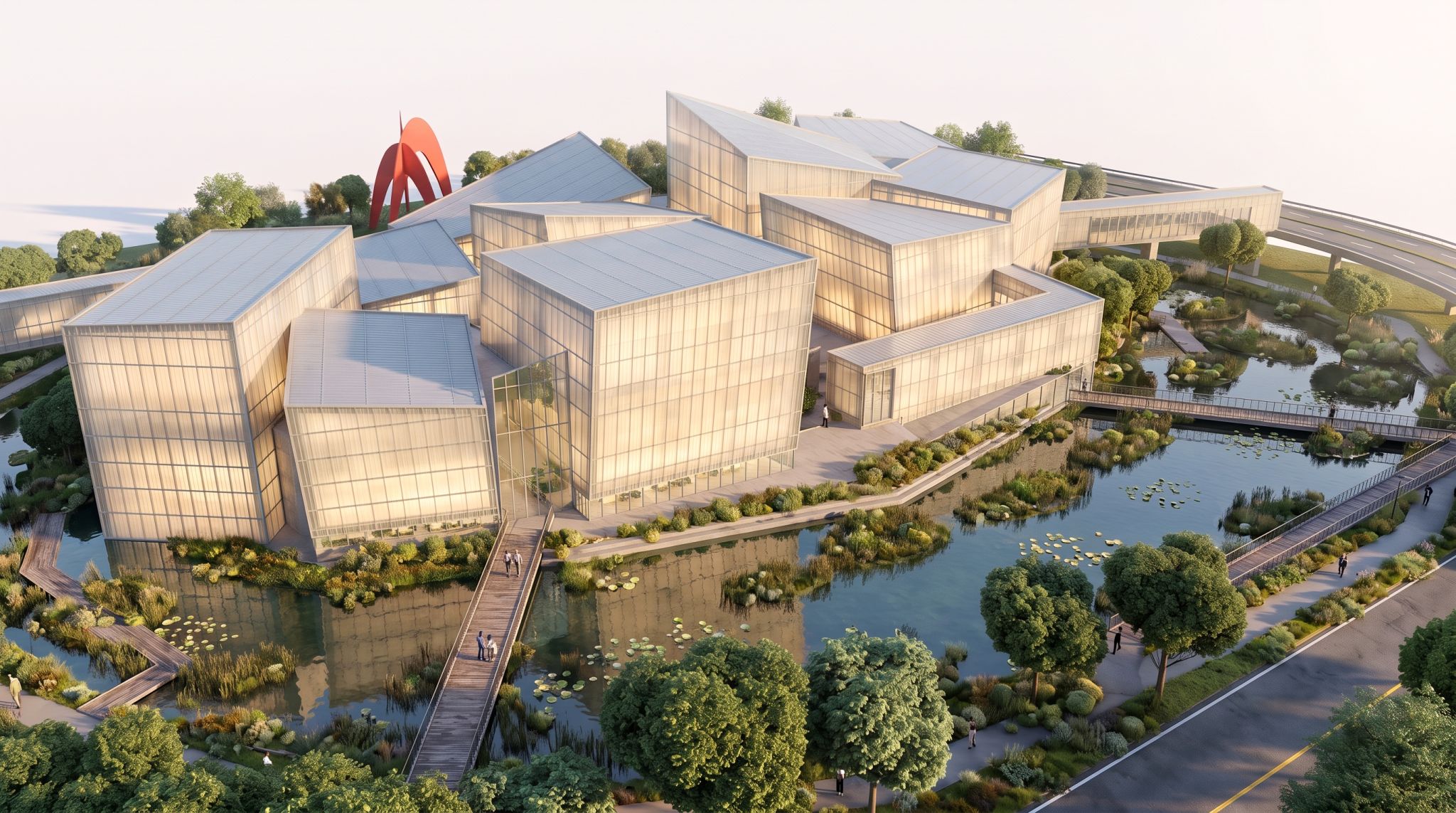
What happens when two architecture studios get access to AI tools and a deadline? A recent design competition across Studio Gang's Chicago and New York offices offered a useful look at how teams work together when ideas can be produced quickly.
Everyone had access to AI tools. Their approaches to collaboration, however, varied considerably.
Give collaboration the same attention as the tools
That observation applies across architecture, engineering, and construction. As AI accelerates the generation of ideas and analysis, teams need to be deliberate about how they evaluate and act on the results. In architecture, that means more iteration, collaboration, and human judgment behind each design decision.
In cost and project management, it means working from shared assumptions, discussing tradeoffs, and understanding how each decision affects the wider project. A revised design, estimate, or schedule needs a common basis for review so that everyone understands what changed and why.
AI can help a team explore more in the time available. Making good use of that capacity requires clear ways of working together, with human judgment guiding the decisions that shape the built environment.